


Ocean Lifestyle Artwork Guide
- Tony Leishman
- Jul 29
- 5 min read

Updated: Jul 30

A blank wall can feel a long way from the water, even when the beach is only five minutes down the road. The right ocean artwork changes that feeling. This ocean lifestyle artwork guide is for choosing pieces that carry the place, pace and sun-washed character of coastal life into the rooms where you spend your everyday.
The aim is not to make every space look like a holiday escape. It is to choose art with enough personal connection that it still feels right after the holiday tan has faded, the boards are back in the garage and Monday has arrived.
Walls with stories
Ocean-inspired interiors work best when the artwork has a reason to be there. A print of a recognisable break, headland or beach town has more staying power than a generic wave simply because it means something. It might be the point where you learnt to surf, the beach your family returns to every summer, or the two day road-trip you took to Noosa.
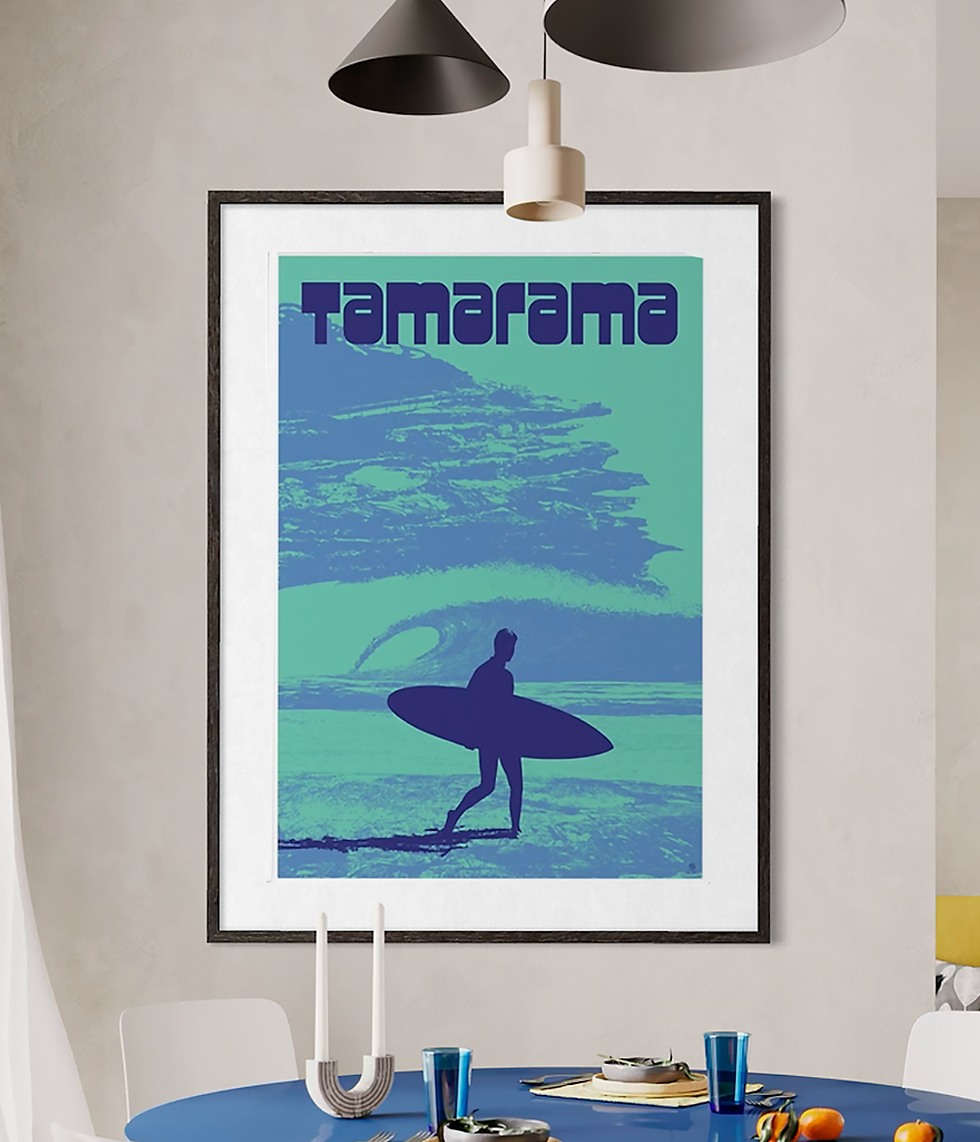
Think about the feeling you want the room to hold. A clean, graphic print of a famous surf break can suit a modern apartment, home office or hallway. Softer coastal colour and open horizons can bring calm to a bedroom. A surf car piece may be the right note for rumpus room or relaxed living area where character matters more.
Original surf art also makes a home feel collected rather than decorated in one afternoon. A Gold Coast print can sit beside a Rottnest piece, a favourite Bali escape or a Northern New South Wales coastline, provided there is a thread between them: shared colours, a surf connection or the memories behind each location.
Place before palette
It is tempting to begin with the colour of the sofa. Start with place instead. When art reflects a genuine connection, it is easier to make the room work around it, and you are less likely to tire of it when trends shift.
For a main living room, choose a location with broad appeal to everyone who uses the space. This could be a local beach, an iconic stretch of coast or a destination that marks a chapter in your life. For a more private room, be more specific. A print from the break you check before work, a coastline from a first surfing trip, or the beach where a proposal happened can be a quiet daily reminder of a good story.
Gift buyers can use the same approach. The most memorable coastal artwork answers a simple question: where does this person come alive? For some, it is a dawn patrol on the Sunshine Coast. For others, it is long summer afternoons in Sydney, a Victorian winter swell, or a familiar patch of sand in Western Australia. That connection gives the gift weight without making it overly formal.
If you cannot settle on one destination, build a small grouping slowly. Two or three prints from places that belong together can feel more intentional than a large matching set. Let each addition earn its spot.
Get the scale right before you commit
Scale is where good artwork can either anchor a room or disappear into it. A small print above a large sofa often looks tentative, while one oversized piece in a narrow nook can make the space feel crowded. Measure the wall, then stand back and picture the artwork as part of the whole room, not as an isolated object.
Above a sofa, bed or sideboard, aim for art that takes up a confident portion of the furniture width. It does not have to span the entire piece, but it should look deliberate. A larger coastal print can create that wide-open, horizon-like feeling that works beautifully in living areas and holiday homes.
Smaller works have their place. They are ideal beside a reading chair, at the end of a hallway, in an entry space or grouped with photographs and objects collected from the coast. In a tight apartment, a single well-chosen print can offer the ocean mood without loading the room with themed décor.
Before hanging, use painter's tape or sheets of paper to mark the proposed size on the wall. Check it in morning light, afternoon light and with the room lamps on. It is a simple step, but it saves plenty of second guessing.
Work with colour without turning the room into a cliché
Coastal style is broader than pale blue walls and striped cushions. The sea offers deep ink tones, sand, washed greens, whitewater, storm grey, sun-faded coral and the warm timber colours of an old board or beach shack. Your artwork can pick up any of these notes.
In a neutral room, a print with warm sunset tone or a striking surf graphic can become the focal point. In a room already filled with texture - linen, timber, rattan, woven rugs and indoor plants - a cleaner, more graphic artwork may provide welcome breathing space.
If your home has darker finishes, do not assume you need light beach art. A moody coastline or a print with strong navy, charcoal and earthy colour can look sharp against black accents, deep green walls or rich timber. Coastal living is not always bright and breezy.
The trick is restraint. Let the artwork lead, then echo one or two colours elsewhere in the room through a cushion, vase, throw or book cover. Matching every item to the print can make the result feel staged.
Frame it for the way you live
Framing changes the mood as much as the artwork itself. Light timber can bring warmth and an easy beach-house feel. White framing can keep a fresh, airy room crisp. Black framing adds contrast and suits contemporary homes, offices and more graphic surf imagery.
Consider the practical side as well. A holiday home with lots of sandy feet, open doors and changing guests benefits from art that is properly framed and ready to hang. In humid coastal areas, avoid placing artwork where it receives direct sun for long periods or where moisture is likely to build up. A steamy bathroom is rarely the best spot for a favourite print, no matter how good it looks with the tiles.
Hang the centre of the artwork around eye level where possible. Above furniture, leave enough of a visual gap that it feels connected to the piece below, rather than floating near the ceiling. If you are creating a gallery wall, keep the spacing consistent and let one print act as the visual anchor.
Make it feel personal
The strongest ocean homes mix art with evidence of a life lived near the water. A surf print beside a stack of old magazines, a ceramic vessel, a shell picked up on a special trip or a weathered board can feel natural. The difference is editing. You do not need every surface to announce “beach house”.
Give the artwork room to breathe. One location print above a console can say more than a wall crowded with signs, ropes and novelty anchors. If you have a larger collection, rotate pieces seasonally or move a print from the bedroom to the office when you want the room to feel fresh again.
At Surf Prints Australia, the appeal lies in artwork that begins with a recognisable stretch of coast rather than a vague beach scene. That specificity is what lets a print become a conversation starter: someone notices the break, remembers how you got there, and suddenly the wall has a story.
Let the wall bring you back
The best choice is rarely the one that matches every cushion perfectly. It is the surf art that makes you pause on the way to put the kettle on. Remembering the time your were out the back scratching to get over an epic set, or a subtle reminder to make a plan to get back down the coast. Choose the beach, surf break or road-trip memory that feels a part of you.


Comments